
Autonomous World Engine (AWE): Empowering AI-driven World with Multi-Agent Simulation


Source: AWE
Introduction
The concept of "Autonomous Worlds" (AW) in the Web3 space has undergone significant evolution. From its origins as a fully on-chain gaming environment—based on the blockchain's promises of transparency and immutability—it has now evolved into a grander vision: a sustainable ecosystem driven by tokenized AI agents that interact, adapt, and self-govern. This transformation reflects a deeper conception of the virtual world: transcending static rules and embracing dynamic emergent behavior driven by autonomous agents.
This article traces the redefinition of the AW concept, focusing on pioneering projects in the field, exploring the challenges of scaling multi-agent simulations, and innovative solutions, revealing the evolution from micro AI towns to mega AI metropolises.
Redefining Autonomous Worlds
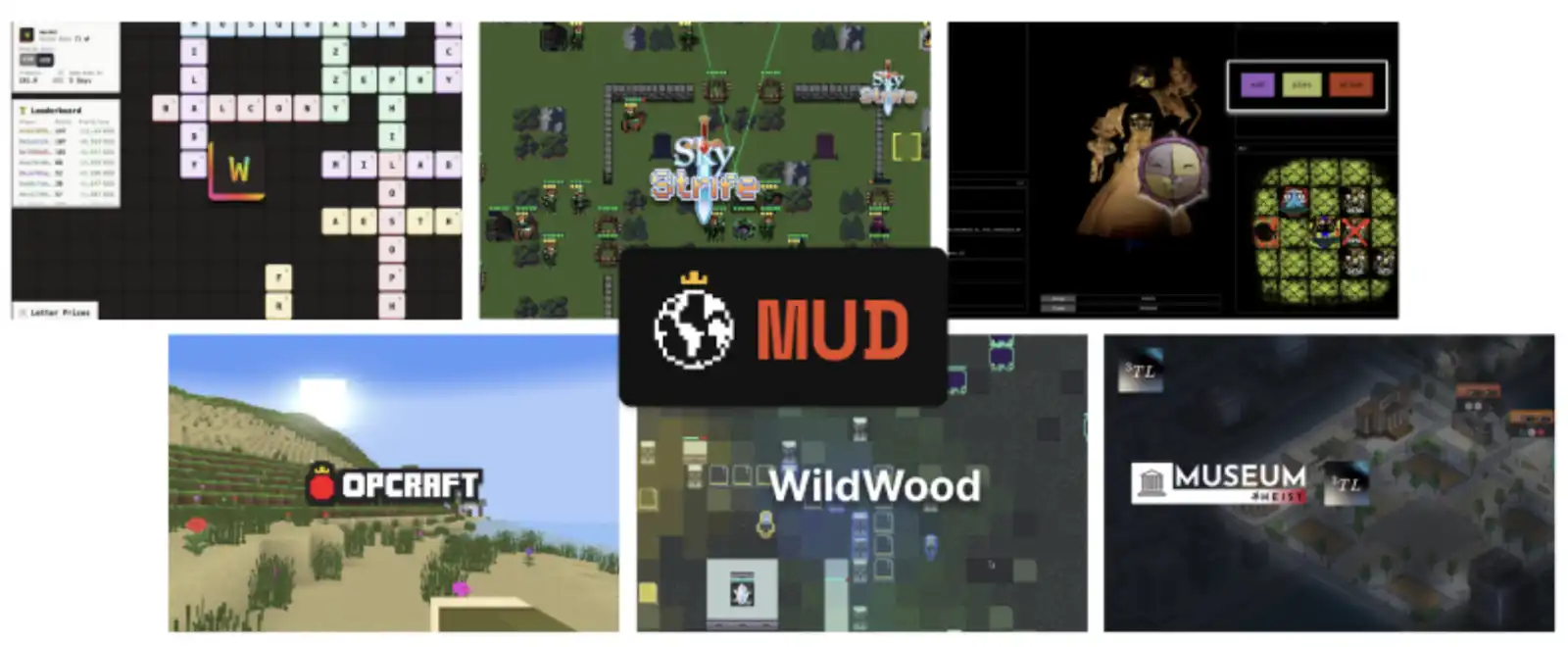
Early AW emphasized immutable states and decentralized logic, focusing on the blockchain's ability to eliminate centralized control. But true autonomy requires not only transparency but also the system's capacity for autonomous evolution. Today, AW should be understood as a sustainable environment with the following core features:
1. Decentralized control: No single authority dictates operations
2. Self-organizing capability: Agents dynamically build structures and adapt to change
3. Emergent behavior: Naturally occurring adaptive outcomes without predefined rules
Under this refined definition, AW is not just a persistent system but also a digital life form capable of autonomous operation, self-organization, and self-evolution, forming a dynamic ecosystem beyond scripted scenarios.
Pioneering Projects
Smallville (Stanford AI Town)
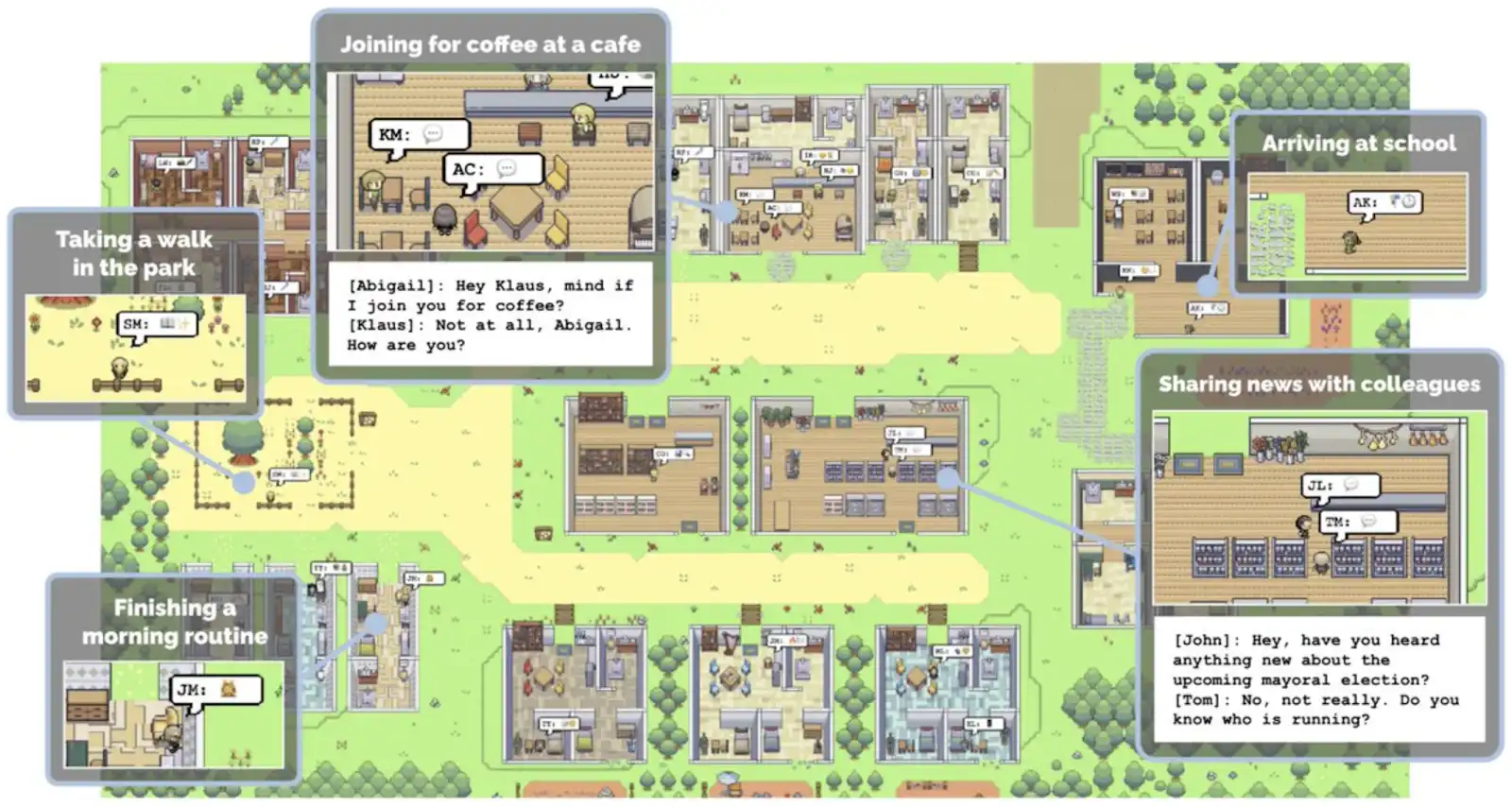
As one of the first sustainable AI-driven social simulation projects, Smallville has achieved significant breakthroughs. Its personified agents possess:
· Memory-based decision-making
· Organization of spontaneous activities (e.g., Valentine's Day party)
· Emergent social behaviors in the absence of explicit guidance
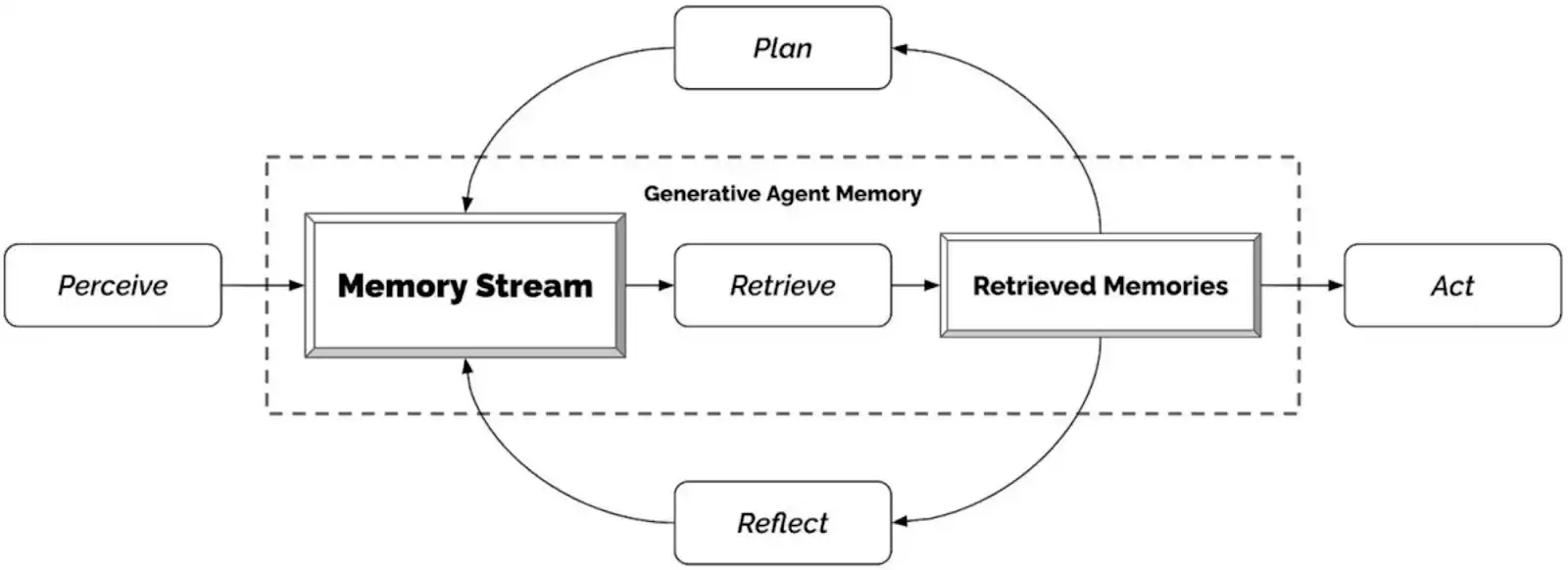
Through the fusion of memory and rational decision-making, Smallville has showcased the potential for large-scale autonomous social interactions.
Voyager (NVIDIA Minecraft Agent)
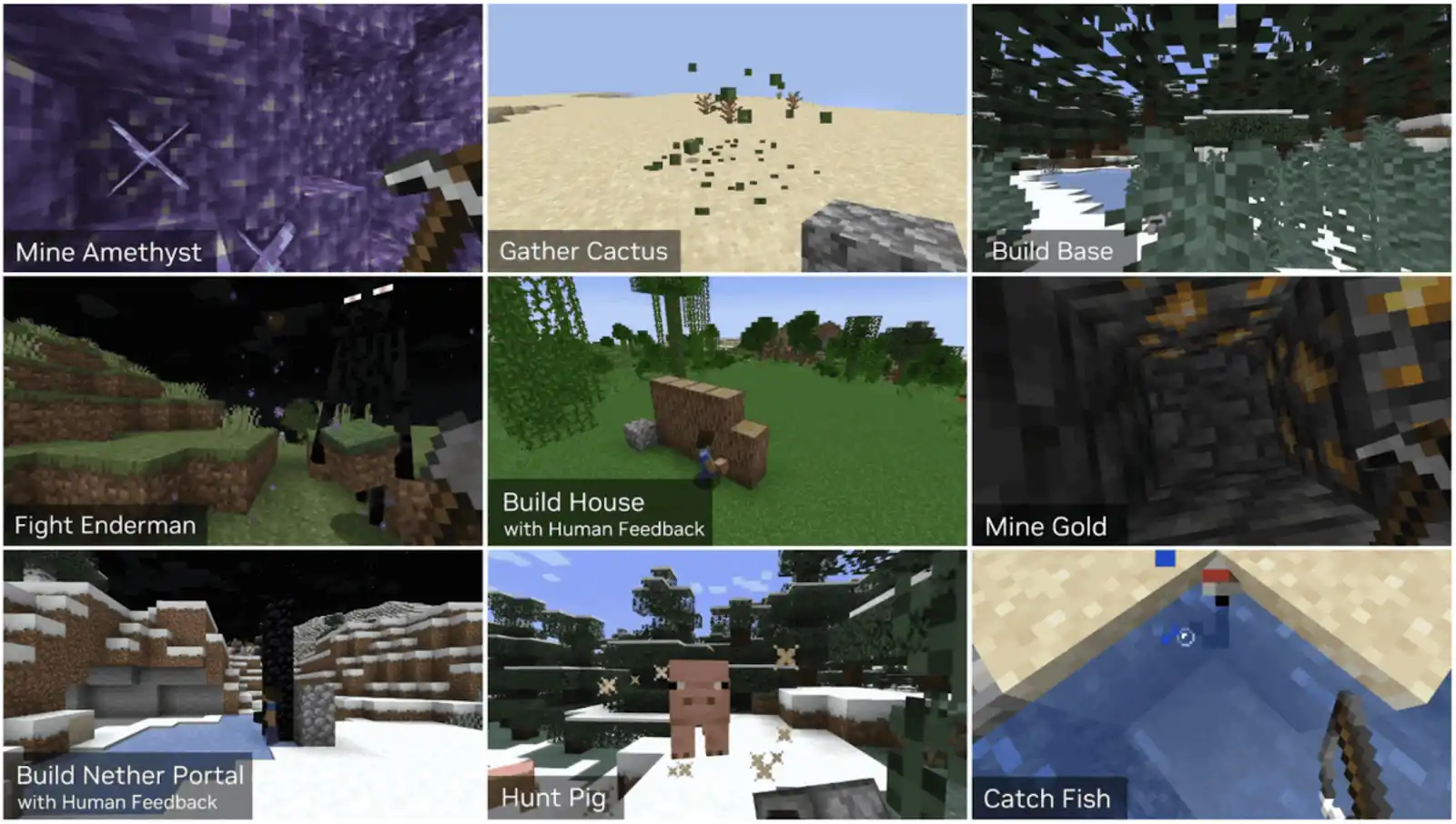
Voyager takes a different approach by deploying an LLM-driven Agent in the open world of Minecraft, with the following key highlights:
· Exploration-based learning without predefined goals
· Mastery of complex skills (crafting/navigation)
· Autonomous acquisition and application of knowledge
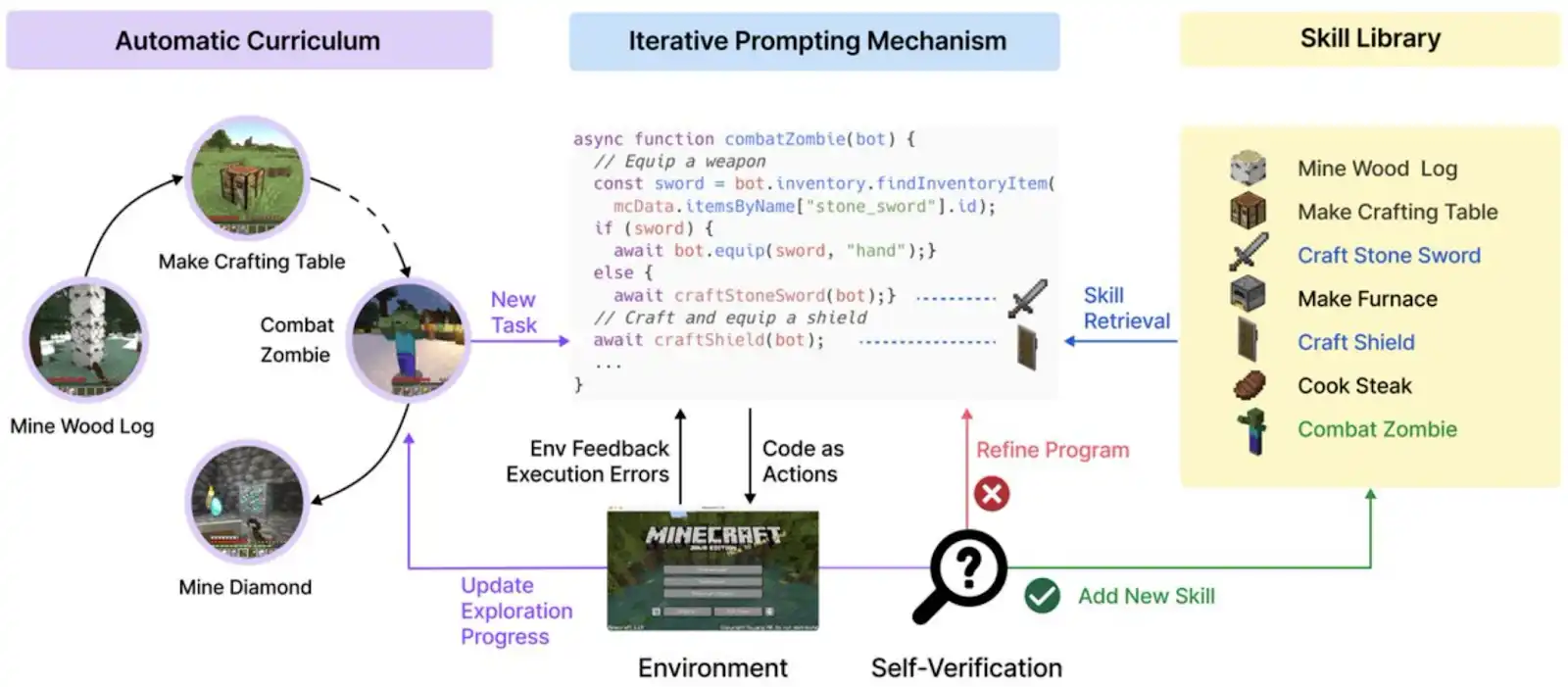
Through iterative prompting and a self-built skill library, Voyager has demonstrated the Agent's evolutionary capabilities in an unstructured environment, which has also been a key breakthrough in scalable autonomy.
Challenges of Scaling Autonomy in the World
While some pioneering projects have laid the groundwork, expanding AW to larger-scale complex systems still faces the following challenges:
· Inefficiency in cost: Running 25 Agents in Smallville consumes approximately $500 per day, with Voyager's single Agent costing even more
· Concurrent conflicts: Resource contention leads to system instability
· Stagnation of emergent behavior: Agents get stuck in repetitive loops (e.g., infinite farming) hindering development
· Autonomy validation: Centralized storage of prompts and memories undermines claims of decision-making independence
These challenges reveal a core paradox: AW must strike a balance between computational demands and decentralized commitment.
Analysis of Scalable Solutions
AI Town (a16z Development)
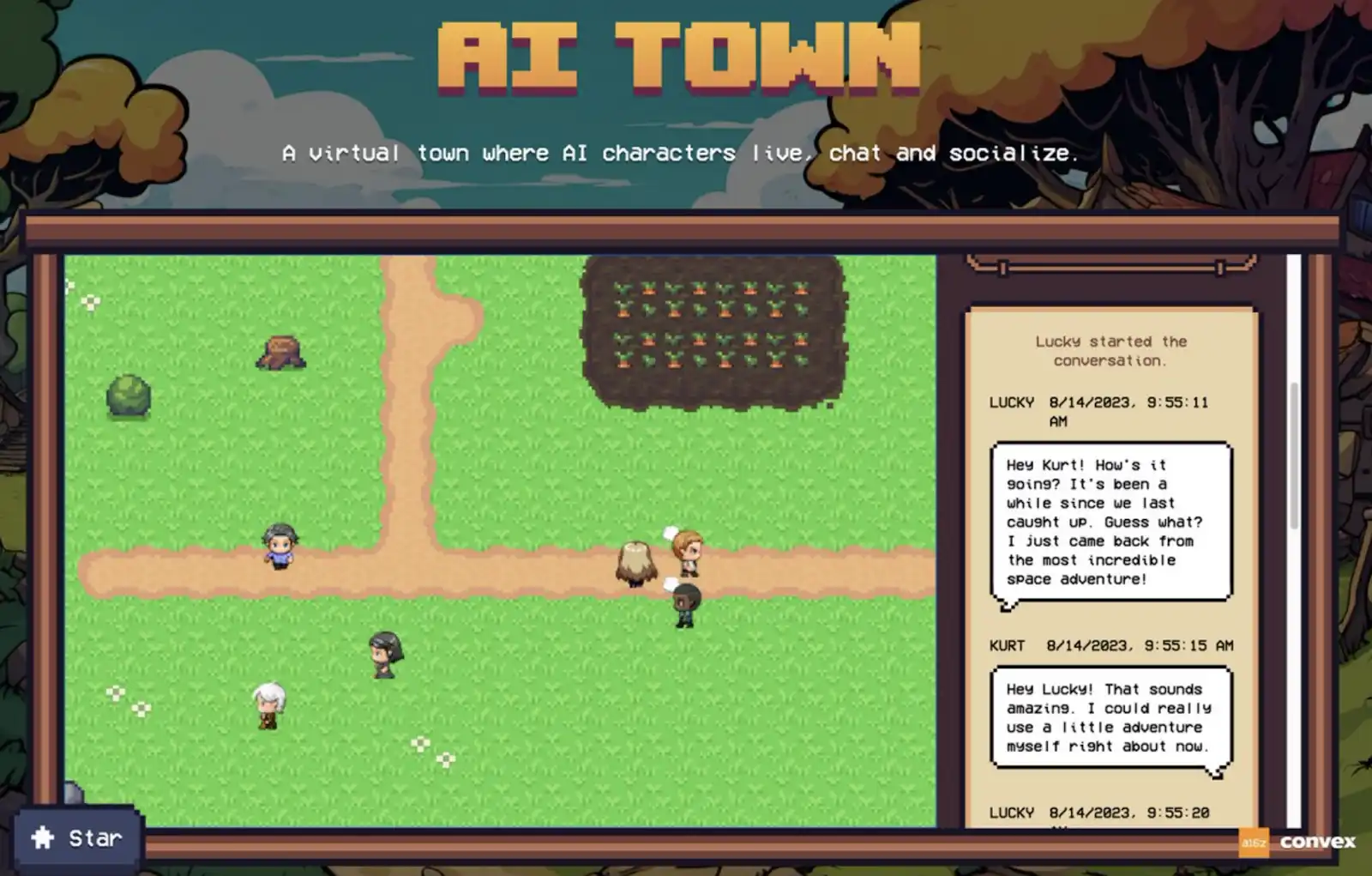
AI Town focuses on usability, providing a modular lightweight AW simulation platform with the following features:
· Modular architecture: Simplifying development for customization
· LLM-agnostic framework: Supporting multiple AI models
· Cloud-native deployment: Enabling rapid testing and iteration
· Community templates: Offering prefabricated starting points
By lowering the barriers, AI Town empowers developers to explore autonomous ecosystems.
Project Sid (Altera Development)
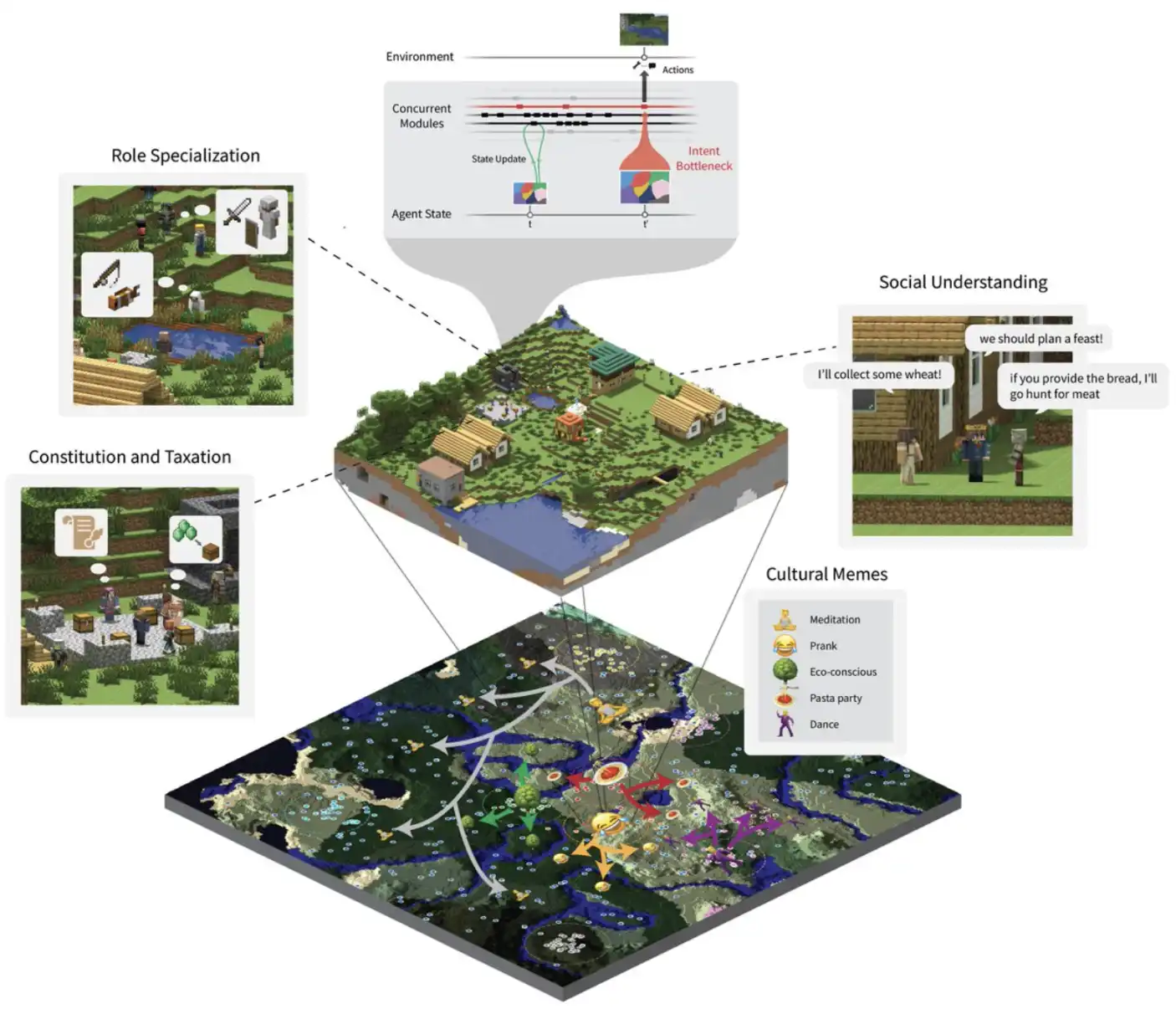
Project Sid Breakthrough: Supporting a self-organizing economic-political system with 1000+ Agents, featuring:
· Social Scaffold: Dynamically forming groups and making voting decisions
· Decentralized Arbitration: Consensus mechanism for conflict resolution
· Role Specialization: Autonomous task assignment
This solution has nurtured a non-hierarchical large-scale complex social structure.
AI Metropolis (developed by Zhiqiang Xie)
AI Metropolis addresses the cost-efficiency pain point, achieving large-scale simulation optimization through:
Randomized Execution: Skipping unnecessary interactions
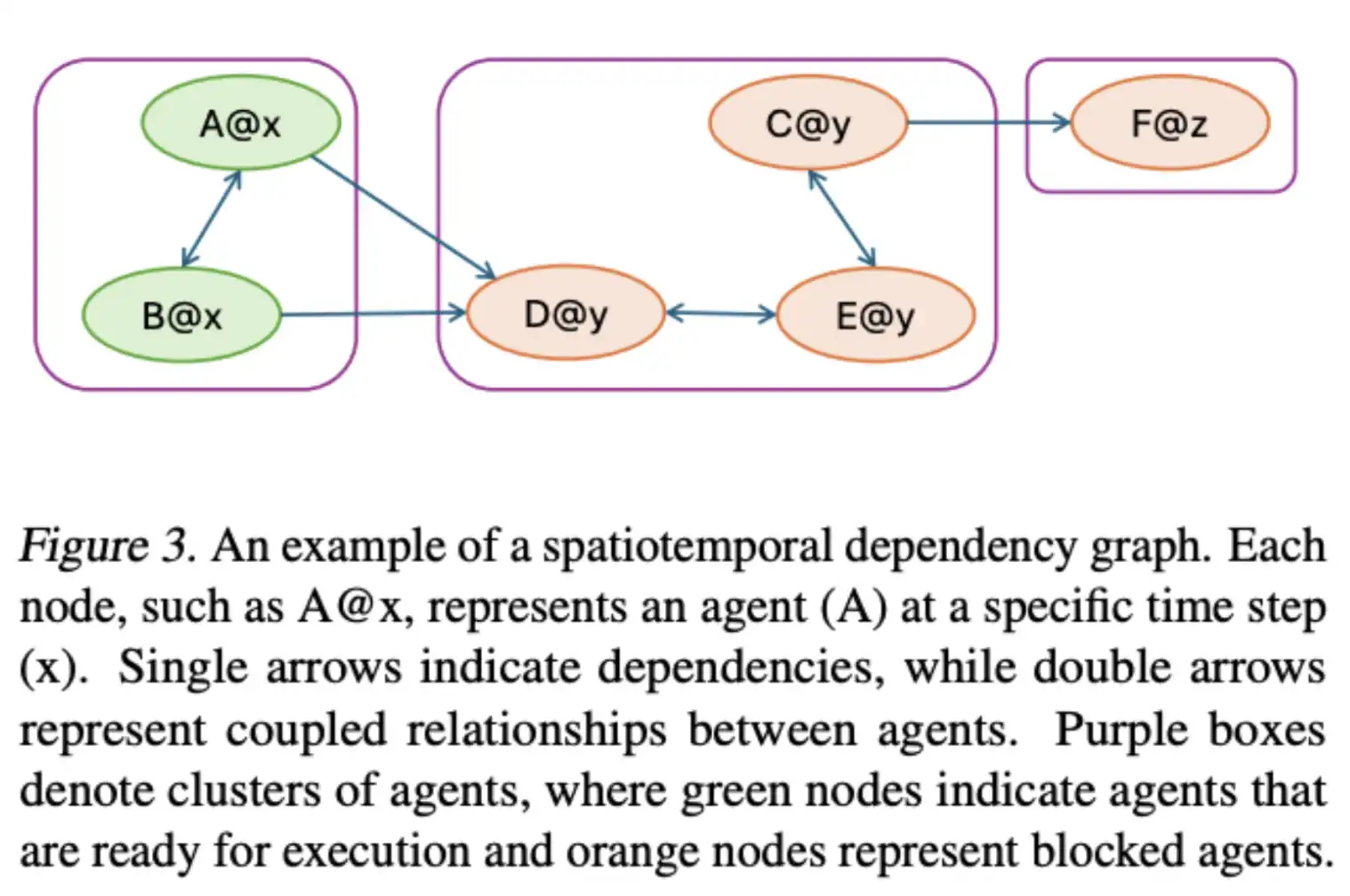
Dependency-Driven Parallel Execution: Asynchronous actions in non-dependent scenarios
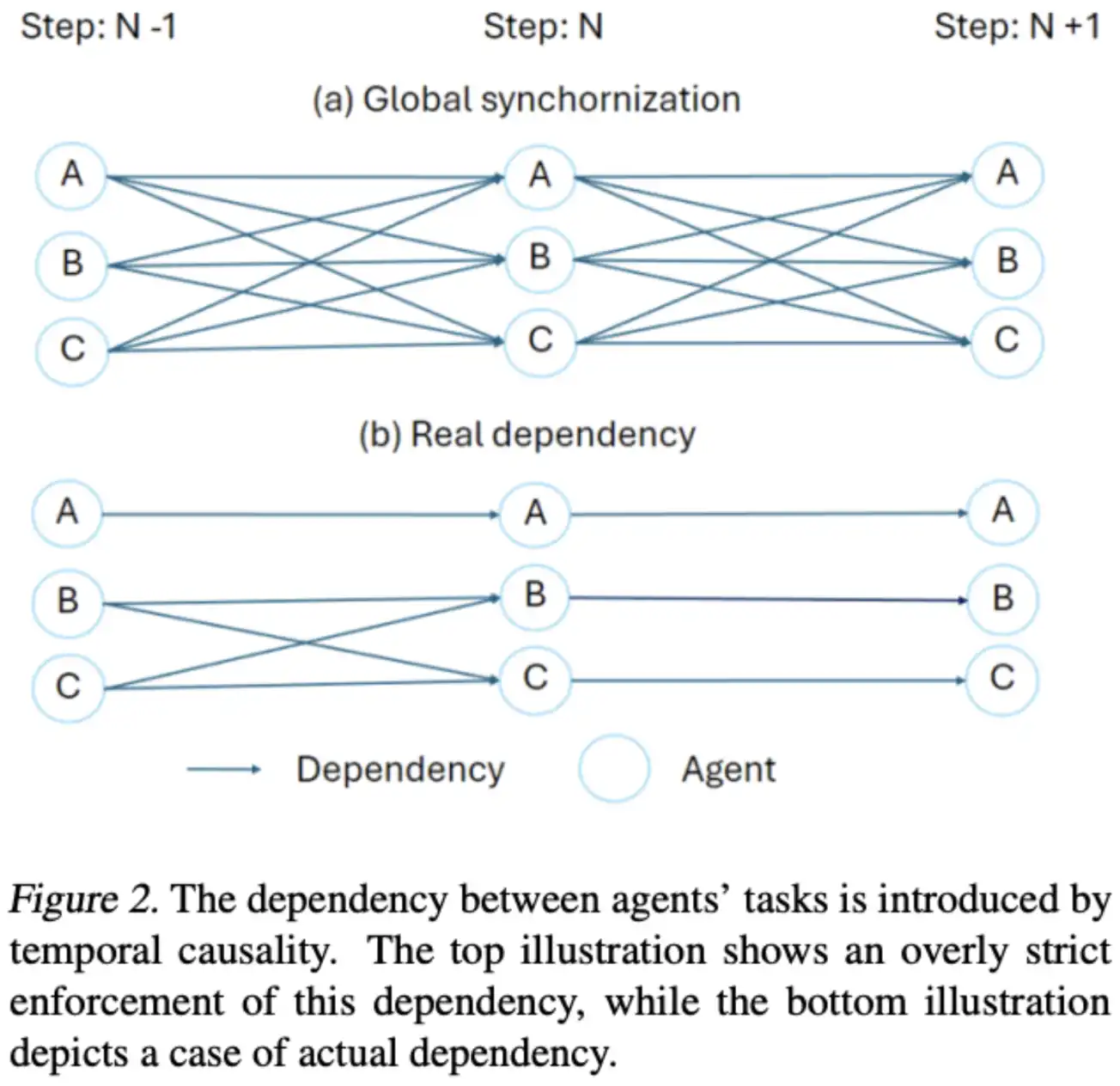
Shared LLM Context: Reducing redundant computations
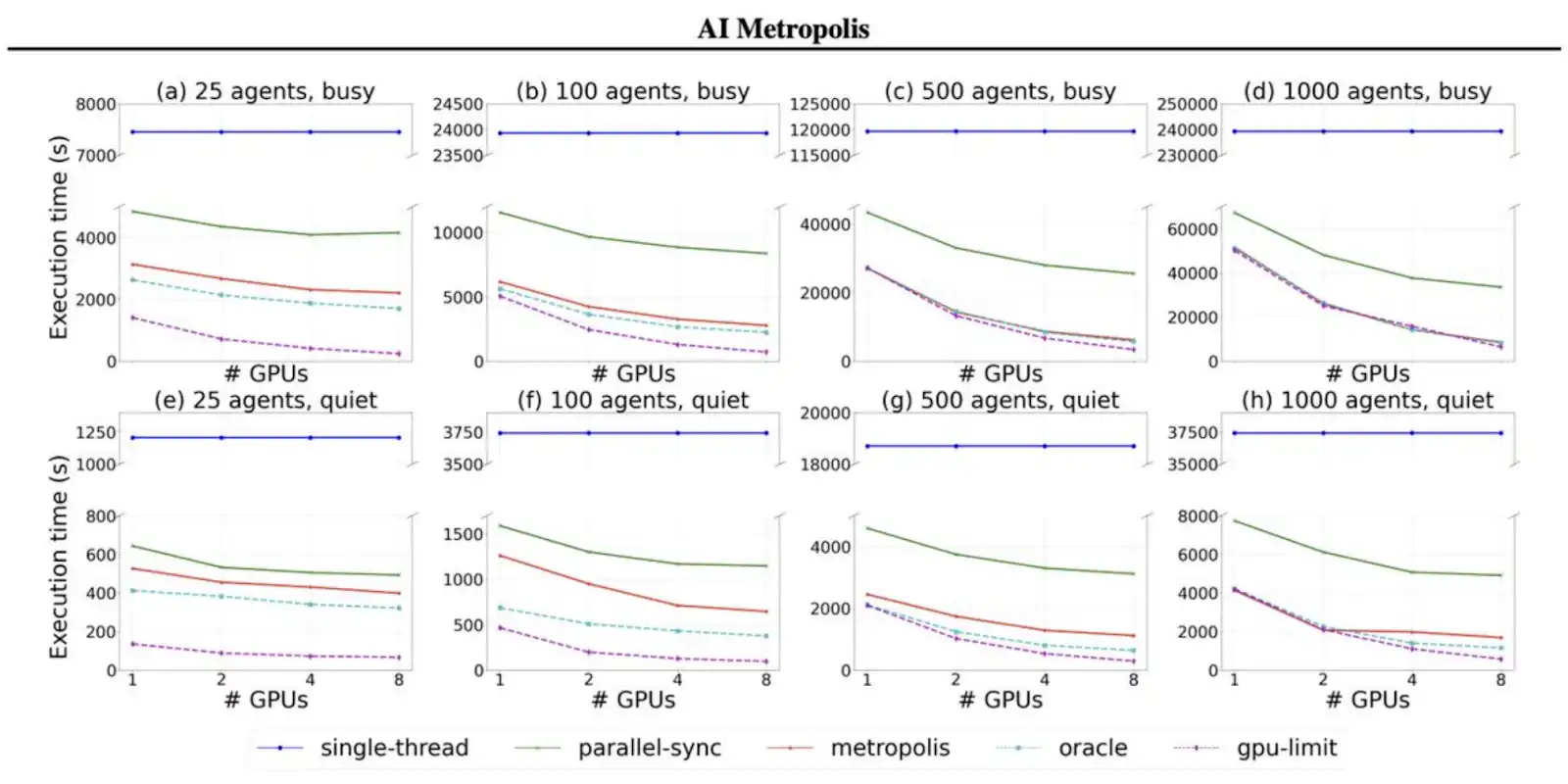
These technologies achieve a 4x cost reduction, making the thousand-agent simulation both practical and economical.
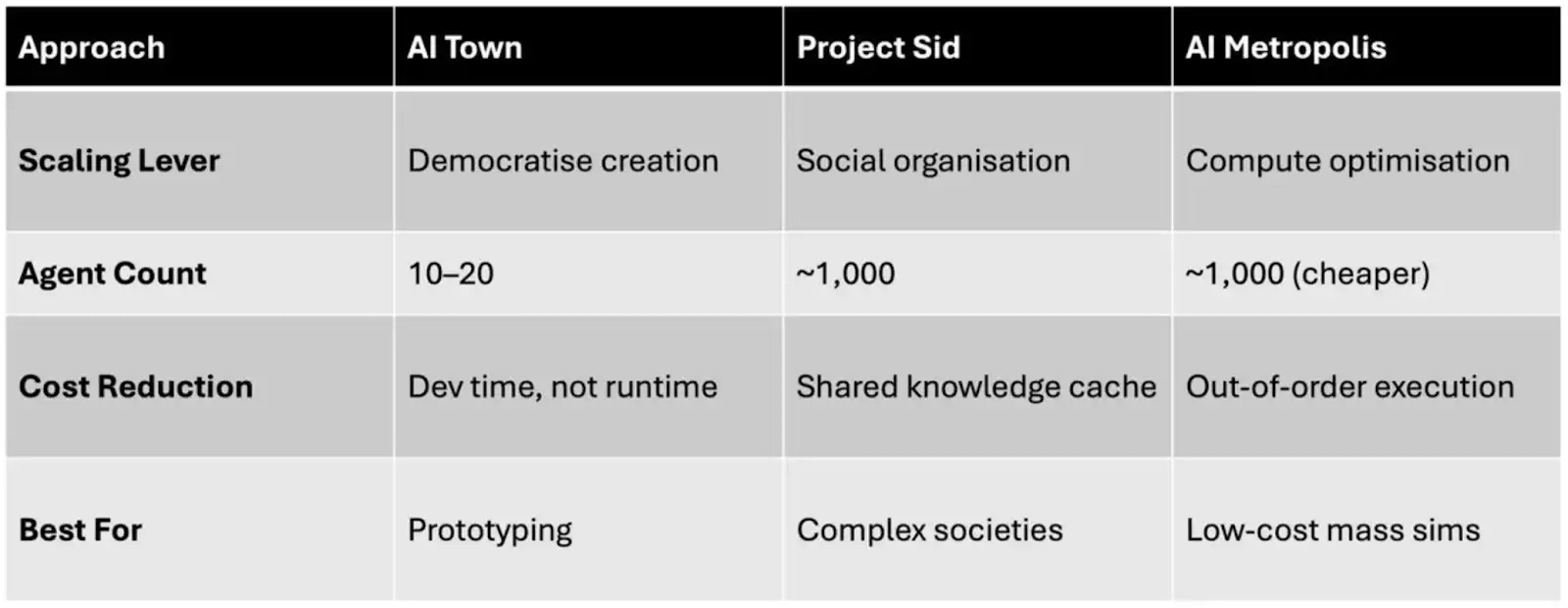
Scalability Scheme Comparative Analysis
Autonomous World Engine (AWE) Debuts
Scalable Multi-Agent Simulation Framework
The Autonomous World Engine (AWE) launched by SPT Network as a modular solution supports running thousands of autonomous Agents in a persistent digital environment. Through off-chain simulation, on-chain validation, and integration with the economic system, AWE ensures transparency, adaptability, and decentralization.
Technical Collaboration with Zhiqiang Xie
AWE strengthens performance through collaboration with AI Metropolis founder Zhiqiang Xie. Expertise in randomized execution, dependency tracking, and asynchronous Agent actions significantly reduces costs and improves performance, enabling AWE to seamlessly handle thousands of Agents.
Milestone: 1000-Agent Demonstration
AWE recently successfully showcased the operation of 1000 autonomous Agents in a dynamic evolutionary simulation, demonstrating that through thoughtful architecture design, large-scale AW can achieve a balance of efficiency, scalability, and cost-effectiveness.
AWE Core Features
· Multi-Agent Simulation: Achieving interactions at scale through parallel processing and dependency management
· Event-Driven Evolution: Triggering new behaviors through internal and external events, fostering emergent societies
· Blockchain Integration: Anchoring critical states and actions on-chain to ensure immutability
· Self-Governance Assurance: Encrypting Agent memory and decision-making to ensure tamper-resistant autonomy
AWE not only simulates AW but also lays the foundation for a fully on-chain decentralized AI society.
STP Network: A New Chapter in Branding
The STP Network is soon rebranding as the AWE Network, reflecting its focus on a scalable autonomous world. Serving as the infrastructure for multi-agent simulation, on-chain economy, and persistent AI environments, the AWE Network bridges AI and Web3, pioneering a new paradigm of governance, economic models, and digital experiences.
Future Outlook: Integration of AI and On-Chain Systems
The fusion of AI and blockchain unlocks transformative possibilities for AW:
Gaming Sector: AI-driven NPCs constructing emergent narratives in an on-chain world
DeSci: AI city simulations for pandemics/economic policies
On-Chain Economy: AI agents autonomously trading, managing DAOs, participating in DeFi
As AI Town lowers entry barriers, Project Sid enables governance innovation, and AI Metropolis breaks cost barriers, the next leap will fully integrate these advancements into on-chain systems.
The Autonomous World is the Future
From isolated AI experiments to thriving digital metropolises, AW signifies a paradigm shift in virtual environments. As Web3 and AI converge deeply, we stand at the forefront of a decentralized autonomous world. The clear mission is to enhance infrastructure and unleash limitless potential.
The autonomous world is not just possible—it is inevitable.
This article is a contributed submission and does not represent the views of BlockBeats
You may also like

Latest research from 13 top universities including Cornell University: The current state, challenges, and misconceptions of the fusion of Crypto and AI
Deconstructing Anthropic: The Best AI Company, Possibly Also a Type of Organizational Invention
Apollo and Blackstone Reportedly Back $35 Billion Anthropic Chip Financing as Deal Details Remain Unclear
On June 9, according to currently available news alerts, Apollo and Blackstone Group participated in a $35 billion financing for an Anthropic “chip project.” Based on the original wording of the report, the funding has already been raised, but public information remains limited. The financing structure, use of proceeds, project entity, and whether Apollo and Blackstone participated through equity, debt, or project financing have not yet been disclosed.

Humanity Protocol Security Incident Escalates: More Than $31 Million Stolen From Related Addresses as Attacker Continues Selling H for ETH
On June 9, according to monitoring by Onchain Lens, more than $31 million has been stolen from addresses linked to Humanity Protocol, and the attack is still ongoing, with the hacker continuously swapping H tokens for ETH. Project founder Terence Kwok later confirmed the security incident on X, saying the issue involved a private key leak.

Bloomberg: As Bitcoin Weakens, Stablecoins and RWA Continue to Drive Expansion in Crypto Businesses
In June, Bloomberg reported that despite Bitcoin falling below $60,000 last week, wiping out about $235 billion in market value within seven days, and dropping close to 50% from last year’s peak, some core businesses in the crypto industry are still expanding, mainly in stablecoins, real-world asset tokenization (RWA), payments, and infrastructure. The report also noted that overall altcoin activity has contracted significantly: altcoin market capitalization has fallen from a peak of about $431 billion in November 2021 to around $170 billion, and among the tens of millions of tokens issued in recent years, fewer than 1,700 still maintain meaningful trading activity.

Galaxy Deep Research Report: How Hyperliquid's HIP-4 Upgrade Changes the Landscape of Prediction Markets?
Binance Research: RWA Market Expected to Expand Nearly 6x from Early 2025, with Public Equities and Onchain Payments Heating Up Together
In June, Binance Research said in its monthly market report that the real-world asset (RWA) market is expected to grow by about 589% from the beginning of 2025. Bond- and money market fund-related RWA expanded by about $6.5 billion, up 83% year over year, while publicly traded equity RWAs grew by about 422%. The report also noted that monthly crypto debit card transaction volume exceeded $747 million in May, up 48.6% year to date.

Japan to Assess a Framework for Yen Stablecoins and Crypto ETFs as Asia’s Compliant Payments Narrative Heats Up
Recently, according to the original report, Japan is considering the launch of yen stablecoins and cryptocurrency ETFs. Public information remains limited at this stage, and there is still no complete policy text, regulatory draft, or clear implementation timeline, so this is better characterized as a “policy discussion” rather than formal implementation. The original wording also noted that advancing stablecoin regulation in Asia is driving XRP usage and supporting growth in the XRPL ecosystem. However, based on currently available public information, there is not enough evidence to directly establish a clear causal relationship between this round of discussion in Japan and XRP or XRPL.

ZachXBT: Humanity private key leak and abnormal surge in H token should be viewed separately
On June 9, according to related disclosures, on-chain investigator ZachXBT posted an update on Humanity’s roughly $31 million security incident, saying that after further analyzing fund flows, he currently tends to believe the project team was not involved in an “inside job” or a self-staged attack. According to him, the official explanation about the private key leak was broadly accurate, but before the token unlock, the price of H had been artificially pushed higher, and the hacker later took advantage of that market environment; therefore, the private key leak and the earlier abnormal price pumping should be regarded as two separate and independent events. This reframing has shifted the market’s understanding of the nature of the incident. Earlier discussion around Humanity had focused on whether the team directly participated in the attack or used the security incident to cover up internal operations. ZachXBT’s latest remarks shift the focus from “whether it was self-theft” to “whether there were pre-unlock market structure issues.” He also questioned whether the team may have.

Morning Report | OpenAI has submitted an S-1 registration statement draft to the U.S. SEC; Morpho completes $175 million financing

Morning Report | BitMine increased its holdings by 126,971 ETH last week; trader Eugene announced his exit from the crypto market

Wang Chuan: How can one not feel anxious after the neighbor Old Wang made thirty times profit by investing in storage stocks? (Seven) - A quarter-century cycle
Cryptocurrency CEXs are flocking to sell US stocks, and traditional brokerages are facing an "uninvited guest."
$75 billion in foreign capital has fled, and South Korean retail investors have absorbed it all using leverage

Japan’s Three Megabanks Plan Joint Stablecoin Issuance in Fiscal 2026
MUFG, SMBC, and Mizuho reportedly plan to jointly issue fiat-pegged stablecoins in fiscal 2026, signaling Japan’s growing push into bank-led digital payment infrastructure.

Humanity Discloses H Token Dual-Chain Attack Details, With Losses on Ethereum and BSC Exceeding $36 Million
Humanity said the H token attack across Ethereum and BSC caused more than $36 million in losses after leaked ProxyAdmin keys enabled malicious contract upgrades and token minting.
White House Discusses CLARITY Act With Law Enforcement Ahead of Senate Vote
The White House discussed the CLARITY Act with law enforcement ahead of a Senate vote, focusing on illicit finance risks and developer protections.

Bitcoin Trading Guide 2026: Strategies for Experienced Traders
Latest research from 13 top universities including Cornell University: The current state, challenges, and misconceptions of the fusion of Crypto and AI
Deconstructing Anthropic: The Best AI Company, Possibly Also a Type of Organizational Invention
Apollo and Blackstone Reportedly Back $35 Billion Anthropic Chip Financing as Deal Details Remain Unclear
On June 9, according to currently available news alerts, Apollo and Blackstone Group participated in a $35 billion financing for an Anthropic “chip project.” Based on the original wording of the report, the funding has already been raised, but public information remains limited. The financing structure, use of proceeds, project entity, and whether Apollo and Blackstone participated through equity, debt, or project financing have not yet been disclosed.
Humanity Protocol Security Incident Escalates: More Than $31 Million Stolen From Related Addresses as Attacker Continues Selling H for ETH
On June 9, according to monitoring by Onchain Lens, more than $31 million has been stolen from addresses linked to Humanity Protocol, and the attack is still ongoing, with the hacker continuously swapping H tokens for ETH. Project founder Terence Kwok later confirmed the security incident on X, saying the issue involved a private key leak.
Bloomberg: As Bitcoin Weakens, Stablecoins and RWA Continue to Drive Expansion in Crypto Businesses
In June, Bloomberg reported that despite Bitcoin falling below $60,000 last week, wiping out about $235 billion in market value within seven days, and dropping close to 50% from last year’s peak, some core businesses in the crypto industry are still expanding, mainly in stablecoins, real-world asset tokenization (RWA), payments, and infrastructure. The report also noted that overall altcoin activity has contracted significantly: altcoin market capitalization has fallen from a peak of about $431 billion in November 2021 to around $170 billion, and among the tens of millions of tokens issued in recent years, fewer than 1,700 still maintain meaningful trading activity.
Galaxy Deep Research Report: How Hyperliquid's HIP-4 Upgrade Changes the Landscape of Prediction Markets?


